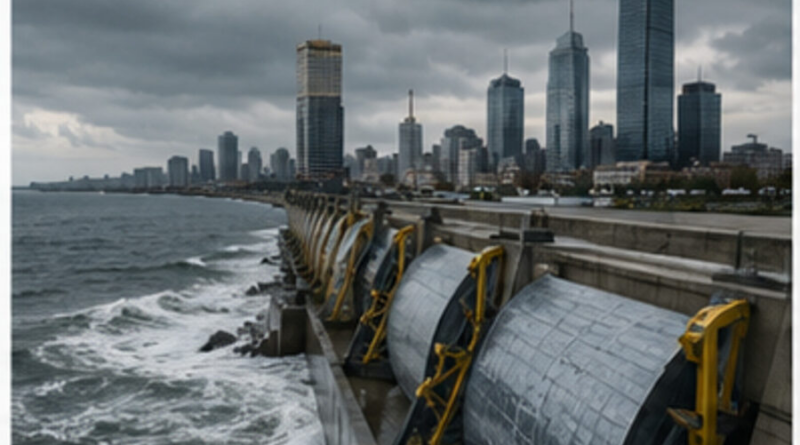
How Cities Are Preparing for More Extreme Weather
Extreme weather is no longer treated as an occasional disruption by many city governments. Heat waves, intense rainfall, drought, wildfire smoke, and coastal flooding are increasingly shaping decisions about streets, housing, public health, and emergency services. The most effective plans do not rely on a single project. They combine stronger infrastructure with better information and practical support for residents.
Heat is one of the clearest priorities. Cities are planting more trees, expanding shaded public spaces, and using lighter materials on roofs and pavements to reduce surface temperatures. Some are mapping neighborhoods where older residents, low-income households, and people without air conditioning face the greatest risk. Cooling centers can help during dangerous periods, but they work best when opening hours, transport, and public communication are planned in advance.
Stormwater is another major challenge. Traditional drainage systems were often designed for rainfall patterns that no longer match current conditions. To reduce pressure on pipes, urban planners are adding rain gardens, permeable sidewalks, green roofs, and restored wetlands. These features absorb water close to where it falls. They can also improve public spaces, support wildlife, and make dense neighborhoods more pleasant during ordinary weather.
Cities are also reviewing building rules. New homes and offices may need stronger flood protection, better insulation, backup power, or designs that remain safe during extreme heat. Existing buildings are harder to upgrade, so grants and low-cost financing can be important. Without financial support, resilience measures may benefit only wealthier districts while leaving vulnerable communities exposed.
Technology supports these efforts but does not replace local knowledge. Weather sensors, satellite data, and digital warning systems can help officials understand risk and respond quickly. Residents, however, often know which intersections flood first, which apartment blocks overheat, and which neighbors need assistance. Community groups can turn official plans into practical networks for checking on people and sharing reliable information.
Long-term preparation also requires coordination across departments. Transport agencies, hospitals, schools, utilities, and housing offices must understand how one failure can affect the rest of the city. A flooded road may delay emergency care, while a power outage can shut down cooling systems at the worst possible moment.
The strongest urban resilience plans are therefore flexible, local, and measurable. They protect essential systems, prioritize people at greatest risk, and improve everyday life even when no emergency occurs. Extreme weather cannot always be prevented, but thoughtful preparation can reduce damage, shorten recovery, and help communities face uncertainty with greater confidence.