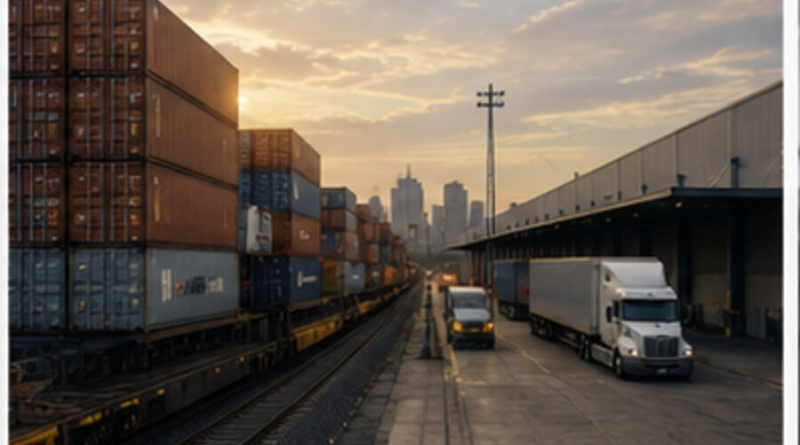
Why Global Supply Chains Are Becoming More Regional
For decades, many companies built supply chains around a simple goal: produce each component wherever costs were lowest, then move goods through a tightly connected global network. That model delivered efficiency, but recent disruptions exposed its weaknesses. Port closures, geopolitical tension, extreme weather, labor shortages, and sudden changes in demand showed how a problem in one location could affect factories and customers thousands of miles away.
As a result, businesses are increasingly adding a regional layer to global sourcing. Regionalization does not mean the end of international trade. It means placing more suppliers, factories, warehouses, and distribution partners closer to the markets they serve. A company selling in Europe may expand production within Europe or nearby countries, while a North American business may source more components from Mexico, Canada, or the United States.
Speed is an important advantage. Shorter transport routes can reduce delivery times and make inventory easier to manage. When customer preferences change, a regional supplier may respond faster than a distant factory with long shipping schedules. Local and regional networks can also reduce exposure to congestion at major ports and uncertainty in international freight prices.
Resilience is another motivation. Companies are moving away from dependence on a single supplier or country. They may keep a competitive global partner while developing a second source in another region. This approach costs more than choosing only the cheapest option, but it can prevent expensive shutdowns when a disruption occurs. Managers increasingly measure the value of continuity, not only the price of a component.
Technology makes this shift more practical. Better forecasting, shared data platforms, and real-time tracking help companies understand where materials are located and which risks are growing. Digital tools also allow smaller regional suppliers to coordinate with large customers and meet demanding quality standards.
Regionalization has limits. New factories require capital, skilled workers, reliable energy, and transport infrastructure. Some specialized materials remain concentrated in a small number of countries. Moving production too quickly can create new bottlenecks or raise prices for consumers.
The emerging model is therefore a balance rather than a complete retreat from globalization. Businesses are building networks that combine global reach with regional flexibility. The goal is not to eliminate every risk, which would be impossible, but to create more options when conditions change. Supply chains designed around visibility, diversity, and proximity are likely to be better prepared for the next disruption while still benefiting from international expertise and trade.